
In-App Navigation Closing The Loop On Your Road Trip
Roadtrippers users built trips in the app then left to navigate elsewhere, taking 30 minutes of trip context out the door. I led the design of in-app navigation on the beta Mapbox SDK, shipping a working cross-platform foundation future teams could build richer Plus features on top of. The work contributed an estimated 11% Plus subscription lift.
The Short Version
Roadpass Digital is the parent company behind a portfolio of outdoor travel apps. Roadtrippers, the road trip planning app, was the highest-traffic and highest-revenue product in the portfolio.
Roadtrippers users spent an average of 30 minutes building a trip before they got in the car. Brands like Mapbox, KOA, and Good Sam plugged into the planning experience, and Plus subscribers paid for the premium planning features that lived inside the app.
The product addressed a specific gap incorrectly. The moment users finished planning, they left the app. Google Maps, Apple Maps, anywhere else for turn-by-turn. Thirty minutes of curated trip context disappeared at the moment the drive started, and so did every Plus feature paying users had set up. The business needed users to stay in the app from planning through driving so the rest of the Plus value could land in the moments it was meant for. Navigation was the foundation that made every later Plus feature possible to ship.
The cost was hidden in the funnel. Plus subscribers were paying for an experience the product couldn’t deliver once the car started moving. Every road trip session reset the platform’s relationship with the user at the moment of highest engagement. Every later Plus feature the team wanted to ship, including in-route POI discovery, real-time stop suggestions, and RV-safe routing, needed in-app navigation as the substrate before any of it could land.
I led the design of in-app navigation on the beta Mapbox SDK with a team of three engineers. The work shipped as a working foundation across iOS, Android, and Desktop, contributed an estimated 11% lift to Plus subscriptions, and gave the team a platform other Plus features could build on top of. Years later the SDK got extended into RV-safe routing across other Roadpass software, exactly the kind of compound investment the foundation was scoped for.
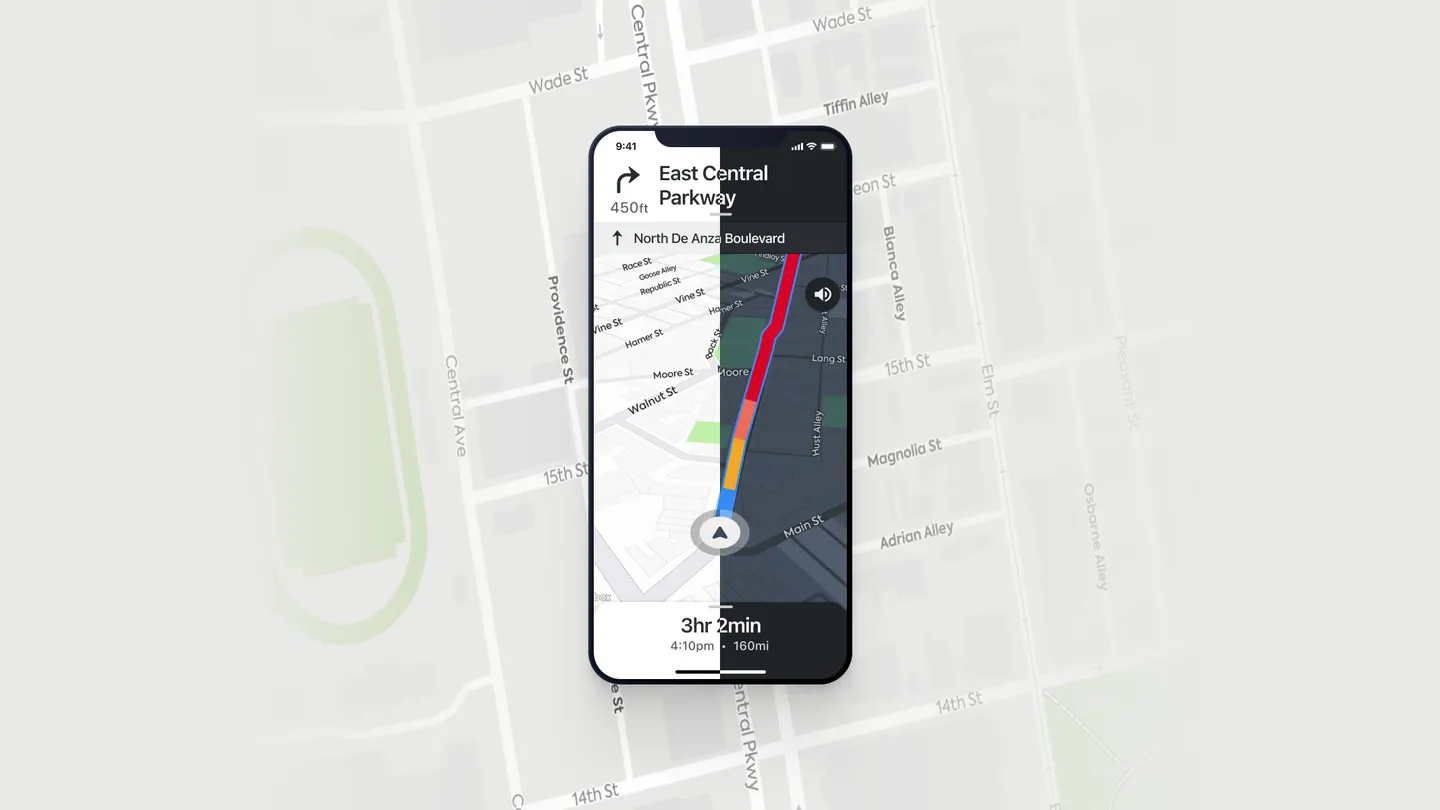
The Problem
The visible problem was conversion drop-off at the drive. Plus subscribers paid for an experience that ended every session at the same place: opening Google or Apple Maps to actually get to the first stop. The deeper problem was strategic. The platform’s most premium features (custom waypoints, route-aware POI suggestions, RV-safe routing on the roadmap) all assumed users were still in the app once the car started moving. Without an in-app navigation foundation, none of those features had anywhere to live.
The cost surfaced across the funnel and the roadmap simultaneously. Active subscribers were paying for value that disappeared at the moment of drive. Every later Plus feature the team wanted to ship was blocked on this one. Marketing was selling premium planning. The drive itself was happening somewhere else.
Another upsell screen would have shipped without moving the conversion number. The platform needed the structural piece (in-app navigation) before anything downstream could ship. The work had to clear the path for the next two years of Plus features at the same time it solved the immediate retention gap.
The Design Call
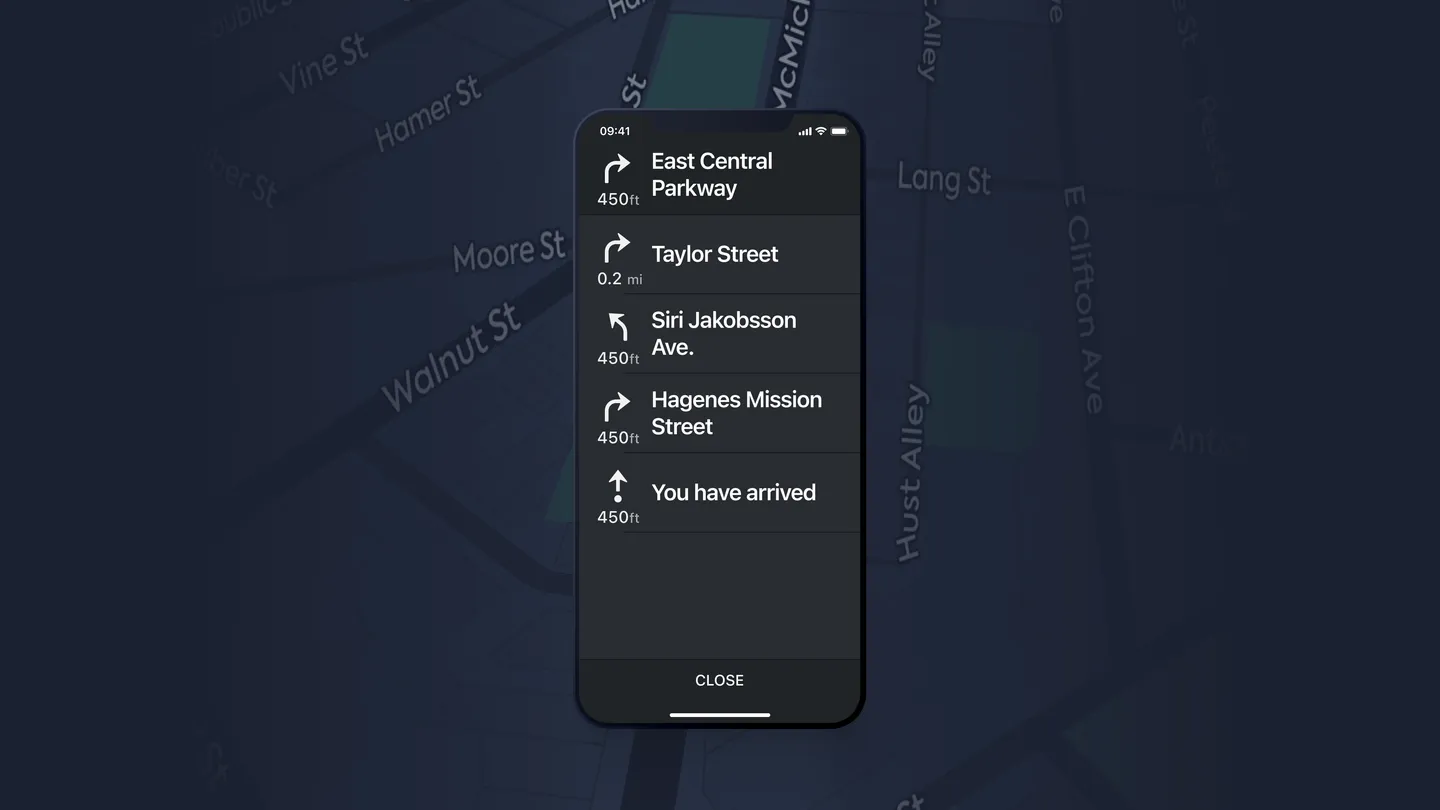
The real design work happened around the navigation screen rather than on it. How navigation launched from a planned trip. The handoff from planning to driving. Keeping trip context accessible once the car was moving. Giving the team the design patterns they could extend into RV-safe routing and route-aware POI discovery later. I designed the foundation first and the screen second.
The drawer patterns and component architecture I’d built for Pin Dropper a year earlier became the scaffolding here. The plumbing was already solved, which freed design time for the actual hard problems: how navigation handed off from planning, how trip context stayed accessible mid-drive, how the platform would extend across iOS, Android, and Desktop without forking the work three times.
I pushed dark mode into V1. The default plan put it in a later release. So I loaded an early build onto a few phones, handed them to product leadership, and asked them to drive around the block at dusk. The argument made itself. Dark mode shipped V1 because the case for waiting evaporated the moment screens met sunlight at the wrong angle.
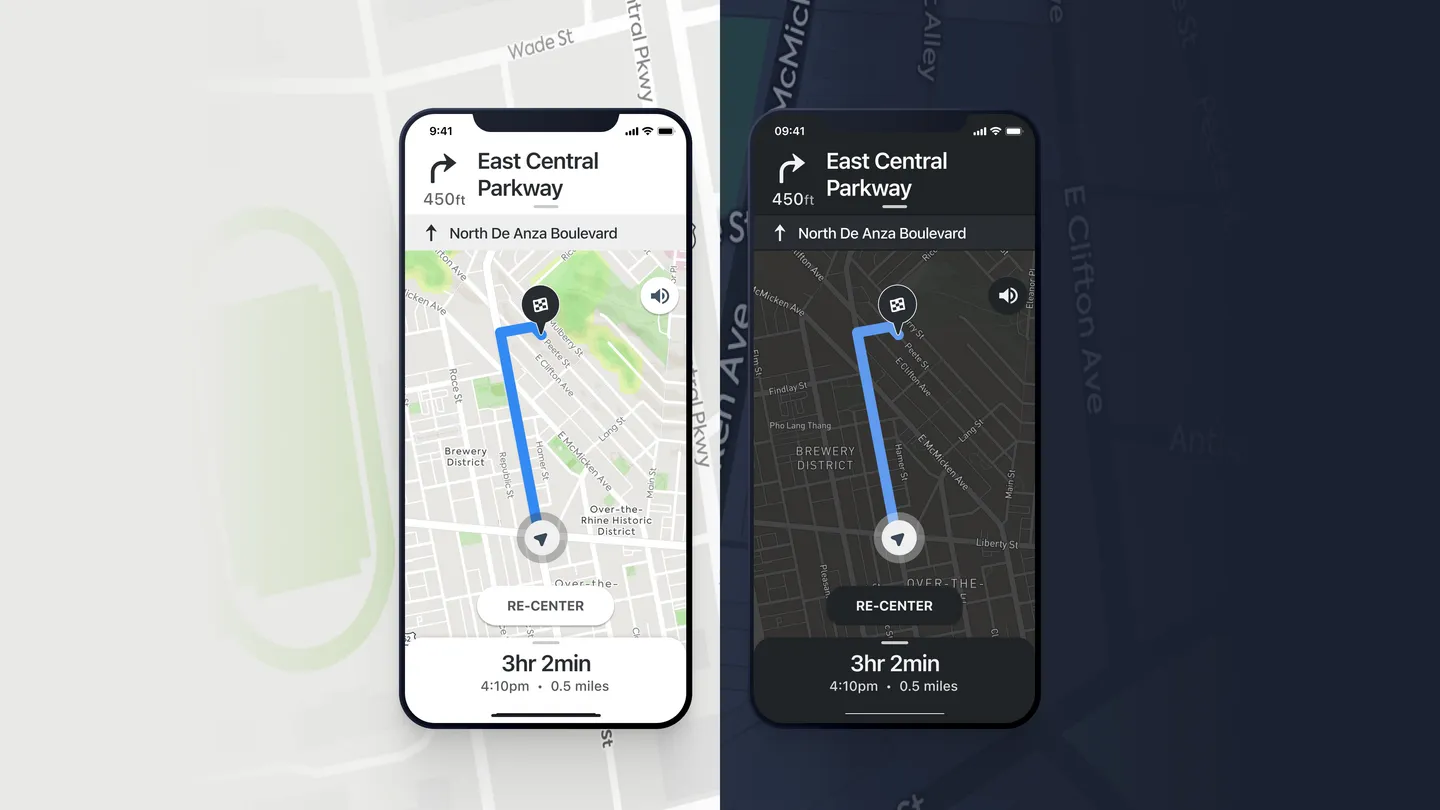
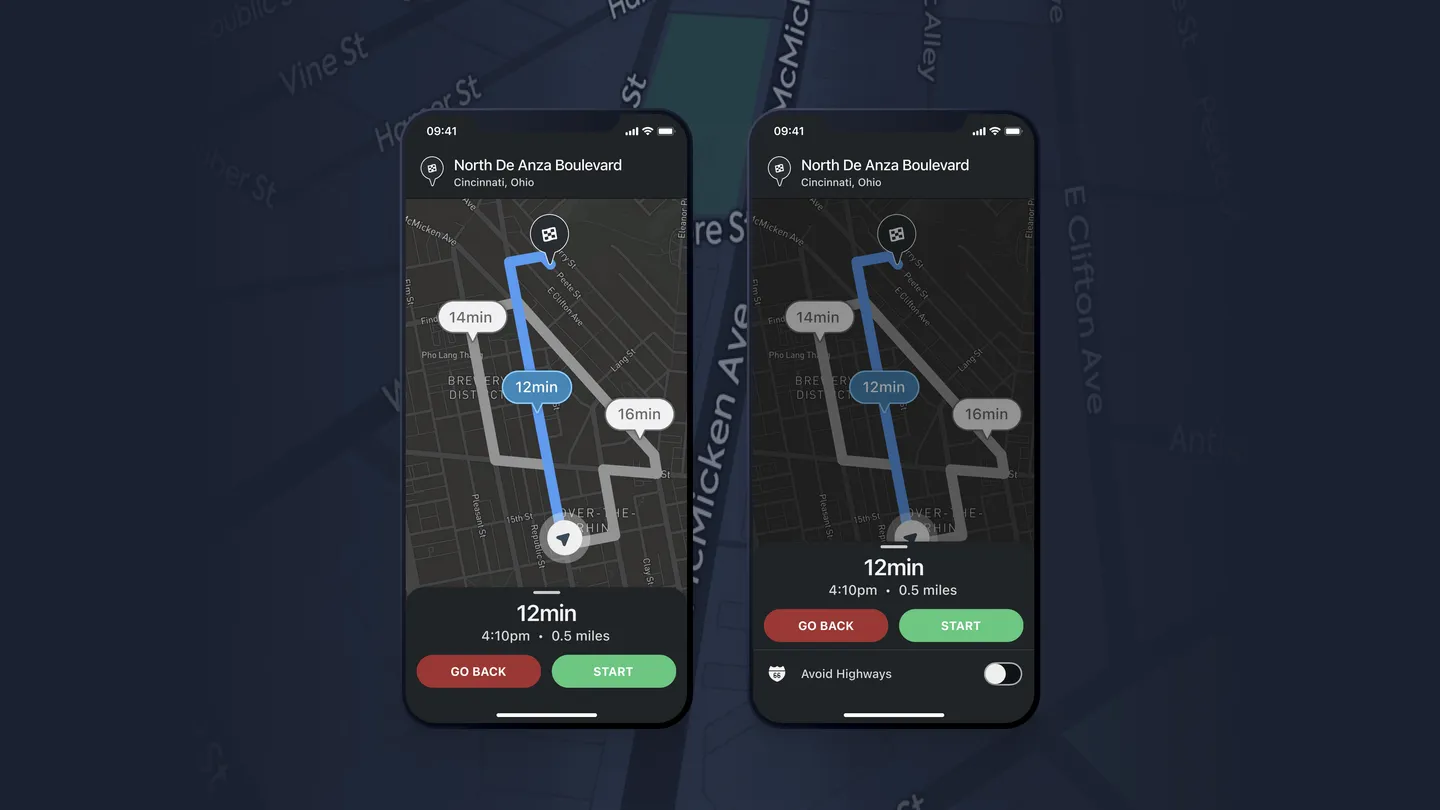
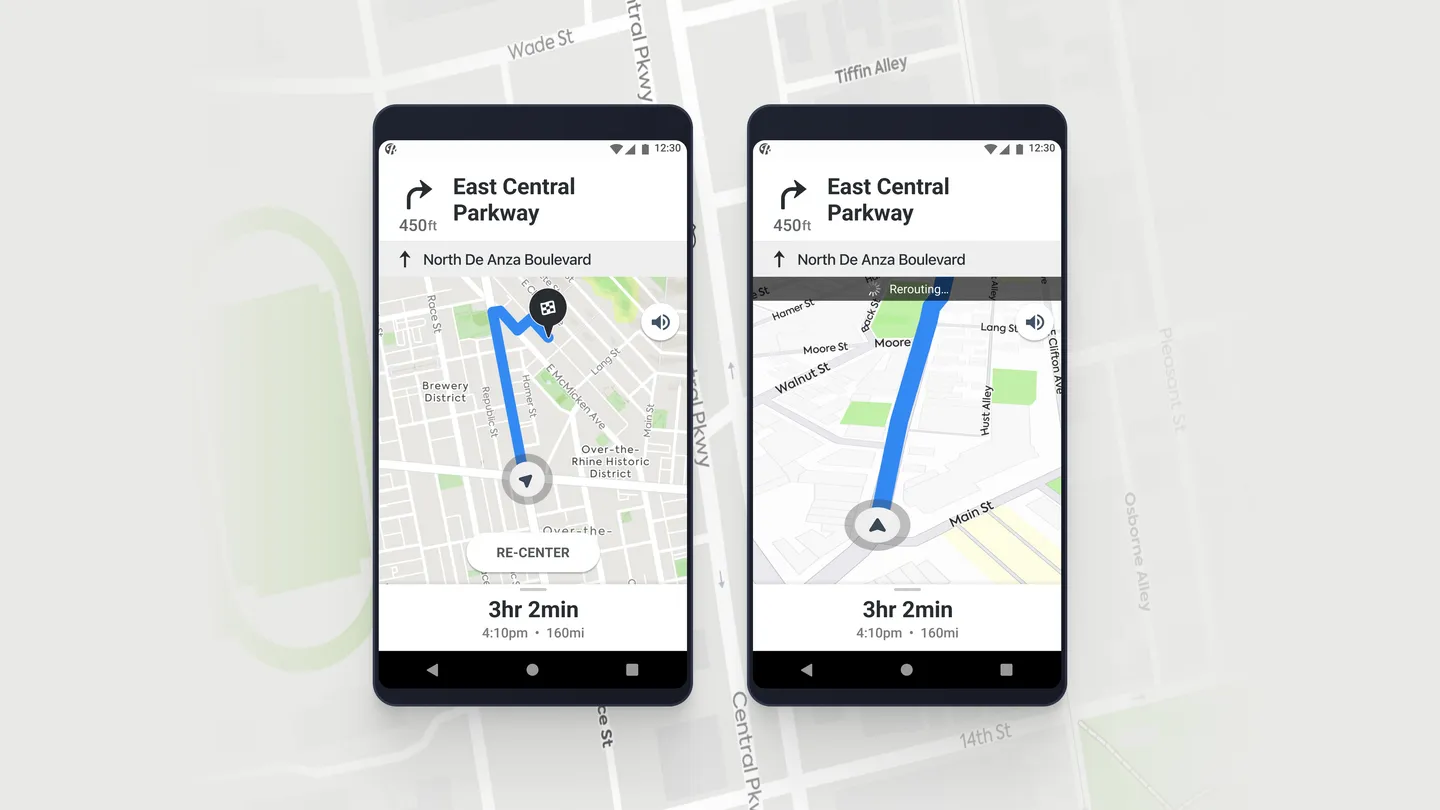
The Pattern That Emerged
The pattern that carried forward was about navigation as substrate. Most of my time on this project went into research and architectural decisions, with UI polish reserved for where it would matter most. The beta Mapbox SDK gave us brutal constraints: crashes during turn announcements, rendering quirks that only showed up with a phone on a dashboard mount in direct sunlight, camera transitions that fought the user instead of helping them. Every screen had a “what would the SDK rather not do” question underneath it, and the answer shaped what we drew. I learned to design under SDK pressure by treating the SDK’s worst behaviors as design constraints first and engineering bugs second.
The research that came out of on-road testing produced one durable principle: drivers don’t read screens, they confirm them. Glance, recognize, eyes back to the road. Anything that asked drivers to parse new information mid-turn was a failure. That reframed every later UI decision around reassurance instead of information delivery. The team that picked up the work after me extended the SDK into RV-safe routing and broader Roadpass surfaces, and the design patterns held: the drawer scaffolding, the dark mode tokens, the reassurance rule. None of those needed to be re-litigated when the next team picked the work back up.
What Shipped
The work contributed an estimated 11% lift to Plus subscriptions by keeping users in the app from planning through driving. Navigation shipped across iOS, Android, and Desktop, with trip planning still editable from Desktop while the car was moving. Dark mode shipped V1. The thirty-minute average planning session was now followed by the drive instead of replaced by it. Brands like Mapbox, the SDK partner whose product was at the center of this work, picked up the implementation patterns we’d worked out under their beta API.
The harder win was the foundation. We shipped a working prototype the engineering team could keep extending as the SDK matured, and the architectural decisions held up. The drawer patterns, the dark mode tokens, the reassurance principle from on-road research. Years later, the SDK got extended into RV-safe routing across other Roadpass products, exactly the kind of compound investment the foundation was scoped for. The platform that future teams built richer Plus features on top of is the one we shipped under beta-SDK constraints with three engineers. The foundation was the unlock. Navigation was the door it opened.